Masonry Hand Tools Basics: Trowels, Floats and Brushes
The three core hand tools for concrete and masonry work are trowels, floats, and masonry brushes. Use trowels to place and shape mortar, floats to compact and level the surface after initial set, and brushes to clean and prep the substrate before application.

What the Three Core Masonry Tools Actually Do
Masonry work breaks into three distinct phases, and each phase demands a different hand tool. Trowels do the placing work: they spread mortar, back-butter brick and tile, and key material into a substrate. Floats come in after the initial pour or set, compacting the top layer and leveling without pulling the surface apart. Brushes handle prep before the material goes down and can add a light texture to fresh concrete after it firms up. Mixing up these roles wastes material and produces weak bonds or rough surfaces that fail under freeze-thaw cycles. A complete masonry hand-tool kit covers all three leaves in this section, Masonry Brushes, Floats, and Trowels, and the price range across the category runs from about $9 for a basic entry trowel up to about $49 for a premium stainless steel finishing tool. Knowing what each tool actually does at each stage is the most important step before buying anything.
Trowels: Blade Shape, Size and Steel Grade
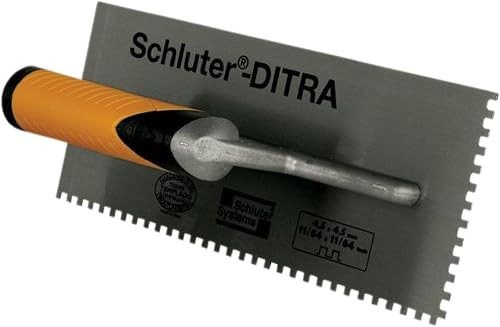
Trowels vary more than any other masonry hand tool because the blade shape is tied directly to the task. A narrow pointing trowel handles grout joints, brick joints, and small repair patches. A broader square or rectangular trowel spreads mortar in volume for setting brick courses or tile beds. Blade steel is the first material decision: high-carbon steel holds a flex-edge well and is easier to sharpen, while stainless steel resists rust in wet curing environments and does not stain light-colored grout. The MARSHALLTOWN 505D is a high-carbon steel trowel with a brushed finish, a wood handle, and a listed size of 6 3/4 by 3/8 inches, priced at $15.99 with 479 owner reviews at 4.7 stars. Based on specs, it is sized for pointing and joint work rather than spreading large mortar beds. The Schluter TRL-DHXL uses stainless steel with a metal handle and measures 12 by 7.7 by 4.6 inches at 0.44 pounds, priced at $33.31 with 210 reviews at 4.8 stars. Owners report the stainless face keeps clean through long tile-setting sessions. For DIY use, match blade width to the joint or mortar bed you are filling: narrow for joints under 1/2 inch, wide for anything requiring a thick bed.
Floats: Magnesium vs Urethane and When to Use Each
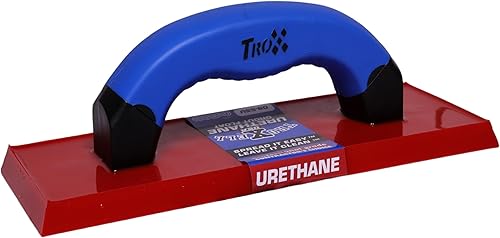
Floats compact and smooth fresh concrete or mortar without producing the hard-burnished finish that a steel trowel leaves. The float face material determines the texture and the behavior on the concrete. Magnesium floats replaced wood floats in most professional applications because magnesium resists warping when one face absorbs moisture from wet concrete, and the face is hard enough to resist nicking under aggregate. The MARSHALLTOWN 145D is a 16-inch magnesium float with a DuraSoft handle and a brushed finish, weighing 1.5 pounds and priced at $34.39. It carries 937 owner reviews at 4.7 stars with 400 units bought last month, making it the most actively purchased float in the section. Owners note that the 16-inch length is efficient on slabs but requires consistent arm pressure across the full span to avoid waviness. Urethane floats serve a different purpose. The Troxell 09-55U uses a urethane face measuring 5 by 3 by 2 inches and weighing 5.6 ounces, priced at $21.50 with 1064 owner reviews at 4.7 stars and 200 units bought last month, giving it the highest review count among floats in the section. Urethane is softer than magnesium, so it produces a slightly more open surface texture and is preferred for exposed-aggregate finishes because the soft face does not dislodge aggregate the way harder float materials can. Use a magnesium float for standard concrete slab work and a urethane float when the final surface needs aggregate to remain in place.
Masonry Brushes: Prep and Finishing Uses
Masonry brushes cover two jobs that look similar but have different timing and bristle requirements. Prep brushes clean dust, efflorescence, and loose particles from the substrate before mortar or adhesive goes down. A contaminated bond surface is the leading cause of joint failure and tile pop in masonry work. Finishing brushes add a broom or brush texture to fresh concrete that has just passed its initial set, creating a slip-resistant surface on walkways and drives. Wire-bristle brushes are suited for removing old mortar residue and surface efflorescence from block and brick. Medium-stiffness brushes handle general joint cleaning on tile. The Schluter FBA_UWG4-4999 uses a metal body with a plastic handle, priced at $33.31 with 778 owner reviews at 4.8 stars and 100 units bought last month. Based on verified owner reviews and listed specs, it suits detailed joint cleaning on tile and thin-set installations. Choosing the wrong bristle stiffness is a common error: stiff wire on a tile face scratches the glazing, while a soft brush on old mortar barely moves the debris.
Handle Materials and Long-Session Fatigue
Troweling and floating are repetitive motions that load the wrist and forearm for extended periods. Handle design matters more in masonry than in most other hand-tool categories because a pour or tile session can run two to four hours without a natural stopping point. DuraSoft handles, used on the MARSHALLTOWN 145D float and the MARSHALLTOWN 505D trowel, are a cushioned composite grip designed to reduce fatigue compared to raw wood or hard plastic. Wood handles are durable when kept dry, but they can loosen at the ferrule after repeated cycles of soaking and drying if not maintained. Aluminum handles reduce tool weight on larger floats: the LEVEL5 4-961 pairs a stainless steel blade with an aluminum handle and weighs 0.56 kilograms at $48.59 with 474 reviews at 4.7 stars. Less arm weight translates directly to more consistent float pressure over a large slab. At the budget end, the QEP 42117 at $8.97 uses a plastic and stainless steel handle combination and weighs 9 ounces, making it a lightweight choice for occasional use where ergonomic investment is harder to justify.
Job-Stage Sequence: Brush, Trowel, Float in Order
The practical sequence for any concrete or mortar-bed installation runs from brush to trowel to float, and shortcutting any step carries forward into the next. Start with the masonry brush to clean the substrate and check for dust, oil, or loose material. Mix mortar to the correct consistency before picking up the trowel: a mix that is too stiff requires excess force and reduces bond area, while a wet mix slumps and delays set time. Use the trowel to place and spread, applying consistent pressure to key material into the substrate surface. Move to the float once the surface has taken its initial set and no longer moves freely under hand pressure. The window between initial set and final set is where float work happens: too early and the surface tears, too late and the float drags and hauls. A final float pass or steel-trowel pass determines surface character. Float-finished concrete is slightly textured and slip-resistant. Steel-troweled concrete is dense and very smooth but slippery when wet, so it is reserved for interior floor applications. For tile installation, the trowel returns after tile placement for back-buttering, and the grout float takes the final finishing role. Keep every tool clean between passes: dried mortar on a float face creates ridges that drag through fresh material and leave defects that are hard to remedy after the surface sets.
Common mistakes to avoid
- Floating too early, before the concrete or mortar has taken its initial set, which tears the surface and pulls aggregate up
- Using a stainless steel trowel for heavy mortar spreading when carbon steel handles flex and heavy loads better
- Skipping the brush prep step, leaving dust or efflorescence on the substrate that contaminates the bond layer
- Buying a 16-inch magnesium float for a first tile job where a smaller tool gives far more control
- Letting mortar dry on tools between pours, which leaves hardened ridges that damage the next surface
- Using a grout float as a mortar float, since grout floats are too soft for mortar beds and deform under pressure
Frequently asked questions
What trowel size should a beginner start with?
A 6-inch to 7-inch pointing trowel handles most repair work, grout joints, and small mortar applications without being unwieldy. The MARSHALLTOWN 505D at a listed size of 6 3/4 by 3/8 inches is a practical starting point at $15.99.
Can the same float work for both concrete slabs and tile mortar beds?
A magnesium float like the MARSHALLTOWN 145D works on both surfaces, but the size matters. A 16-inch float is efficient on open slabs and awkward in tight tile work. A smaller urethane float such as the Troxell 09-55U at 5 by 3 inches is easier to control in confined areas.
How do I prevent a carbon steel trowel from rusting?
Rinse the blade immediately after use and dry it completely before storing. A light wipe of linseed oil or WD-40 on the steel face after drying prevents surface oxidation. Stainless steel trowels like the Schluter TRL-DHXL require less maintenance in wet applications.
What is the practical difference between a float finish and a steel-trowel finish?
A float finish leaves a slightly open, textured surface that is slip-resistant and absorbs sealer well. A steel-trowel finish compresses and burnishes the top layer to a dense, very smooth face that is better for indoor floors but can be slippery outdoors when wet.
Do I need a dedicated masonry brush, or will a regular paintbrush work?
A regular paintbrush lacks the bristle stiffness to dislodge efflorescence or old mortar residue from masonry surfaces. A proper masonry brush with wire or stiff synthetic bristles cleans the substrate thoroughly enough to support a sound bond. For grout wash-down on tile, a soft masonry slurry brush is appropriate.