How to Choose Wire Cutters
The right wire cutter comes down to two decisions: what material you are cutting and how often you cut it. Soft copper wire for home electrical work calls for a lightweight diagonal cutter around 5 ounces, while pulling and terminating data cable demands a combination cutter-stripper, and heavy multi-strand steel cable requires a purpose-built cable cutter with alloy steel jaws.


Jaw Style: Diagonal, End-Cutting, and Cable Cutters
Wire cutters divide into three jaw configurations, and picking the wrong one for your job is the most common source of frustration. Diagonal cutters shear wire at an angle using hardened crossing blades, making them the go-to choice for copper, aluminum, and thin steel wire in electrical and electronics work. End-cutting nippers shear flush with a surface and belong on bench work where you need to trim wire or nail heads close to a workpiece without marring the surrounding material. Cable cutters use a circular or ratcheting jaw designed to slice cleanly through large-gauge, multi-strand wire rope or armored cable without crushing or fraying individual strands. The Park CN-10 ($48.95, 4.9 stars, 4,011 reviews) is a purpose-built 10-inch cable cutter with an alloy steel handle and body weighing 339 grams, designed specifically for clean shear cuts on multi-strand cable where a diagonal cutter would crush rather than slice. Choosing the correct jaw style is not cosmetic: forcing diagonal cutters on hardened steel wire will chip the blade within a few uses, and using a large cable cutter on fine wire is clumsy, imprecise, and wears the pivot joint unnecessarily.
Cutting Capacity: Wire Gauge and Material Hardness
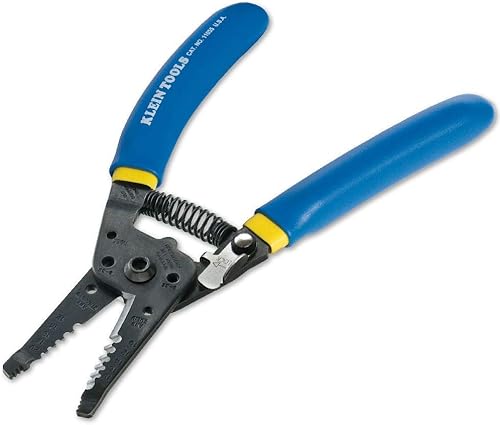
The single most underestimated spec on any wire cutter is its rated cutting capacity. Manufacturers list capacity by wire diameter or American Wire Gauge, and that rating assumes soft-drawn copper or annealed steel at best. Push beyond the rated capacity on hard-drawn or galvanized wire and you risk chipping the blade, deforming the jaws, or bending wire rather than shearing it cleanly. For general electrical work on copper conductors in the 10 AWG to 18 AWG range, a mid-weight tool in the 5 to 6 ounce class handles most residential and light commercial jobs without excess bulk. The Klein 11055KLE ($19.60, 4.8 stars, 8,200 reviews, 2,000 bought last month) comes in at 5.4 ounces with a plastic handle and sits squarely in this everyday residential category. Heavier work on service entrance cable or multi-strand steel-core wire demands a longer jaw and a heavier, more rigid body. One honest caveat: some listings in this category do not publish a specific wire gauge rating, so if the spec is absent, treat that tool as suitable for soft copper only and verify with the manufacturer before use on tougher materials.
Handle and Grip: Weight, Material, and Fatigue
Handle material directly affects both grip security and all-day fatigue. Most budget and mid-range wire cutters use molded plastic or dipped vinyl over the steel handles, which provides a reasonable grip dry and a passable one when wet. The Klein VDV226-110 ($49.97, 4.8 stars, 11,600 reviews, 3,000 bought last month) ships with a dedicated comfort-grip handle engineered for repetitive cuts during data and communications cable installations. Weighing 14.4 ounces, it sits on the heavier side for a wire cutter, which is a real trade-off when working overhead in a cable tray for hours. By contrast, the Fiskars 710150-1002 ($15.99, 4.8 stars, 4,385 reviews, 3,000 bought last month) uses a stainless steel handle and body in a compact 3.75-inch frame at 8 ounces. The stainless construction resists corrosion in outdoor or wet environments better than plastic-dipped carbon steel, but all-metal handles transmit more shock to your hand on each cut. The key rule: tools above 12 ounces suit bench work where the cutter rests between cuts, while tools under 8 ounces reduce fatigue in confined spaces or high-repetition work. The Klein 1005 ($29.97, 4.8 stars, 4,400 reviews) at 12.8 ounces is better suited to a tool belt loop than an active cutting hand for extended sessions.
Combination Tools: Cutter Plus Stripper
If most of your cutting happens alongside stripping and terminating wire, a combination tool saves tool changes and belt space. The Klein VDV226-110 doubles as a cable stripper for data and communications wire, which explains its 3,000-unit monthly demand across 11,600 verified buyers. For heavier electrical terminations, a dedicated crimper with an integrated cutter such as the TEMCo Hammer Lug Crimper Tool ($13.50, 4.8 stars, 6,195 reviews, textured handle) handles both cutting and lug crimping in one motion at a price that makes sense for occasional use. The trade-off is jaw precision: combination tools cut wire cleanly for field work but cannot match the flush-trim performance of a purpose-built cutter when you need strand-perfect shear cuts in electronics assembly or finish panel wiring. If your work is primarily cutting with only occasional stripping, a single-purpose cutter will outperform a combo tool on cut quality. If you strip and terminate far more than you cut alone, the combo wins on convenience.
When to Step Up: Bolt Cutters and Wire Rope Cutters
Wire cutters have a hard ceiling on what they can shear. Hardened steel chain, padlock shackles, rebar, or stranded wire rope exceeding about 3/16 inch in diameter pushes you into bolt cutter or wire rope cutter territory, both of which are covered in the broader Cutting and Crimping Tools section alongside wire cutters. Trying to force a standard wire cutter past its capacity bends the jaws out of alignment or cracks the pivot, converting a repairable tool into scrap. The KNIPEX 71 01 200 ($54.49, 4.8 stars, 4,212 reviews, 600 bought last month) is a compact, high-leverage diagonal cutter specifically built for piano wire, spring steel, and hard materials that would immediately damage a standard diagonal cutter. Nippers and snips in the same section cover sheet metal and specialty applications that again fall outside what a wire cutter handles. Recognizing where the wire cutter category boundary sits protects both your tool and the work, and prevents buying the wrong cutter for a job that actually needs a bolt cutter with a 24-inch handle.
Price Tiers and What Each Level Delivers
Wire cutters in this market span roughly $14 to $80, and the differences between tiers are genuine rather than cosmetic. Under $20, the Klein 11055KLE ($19.60, plastic handle, 5.4 ounces) and the Fiskars 710150-1002 ($15.99, stainless steel, 8 ounces) offer solid single-purpose performance for occasional residential electrical and general household cutting. The Fiskars 710150-1002's stainless construction gives it a corrosion-resistance edge over budget tools with carbon steel jaws and dipped handles. In the $25 to $35 range, tools add longer jaws, cleaner pivots, and better handle ergonomics. The Ridgid 40617 ($24.99, 4.8 stars, 7,100 reviews, 2,000 bought last month) measures 3.25 x 2 x 1 inches in a small, compact form factor at 7.8 ounces, while the Klein 1005 ($29.97) gives you more jaw leverage at the cost of extra weight. Above $45, the Park CN-10 ($48.95, 4.9 stars, 339 grams, alloy steel jaws, 10-inch length) and the LEATHERMAN 832168 ($79.95, 4.9 stars, 2,786 reviews, 164 grams, plastic handle) deliver premium build quality that justifies the cost only for tradespeople who use the tool daily. Buyers who cut soft copper a few times a month have no reason to spend past the $25 tier. Those cutting steel cable or doing repetitive data-comm installations will feel the quality difference in blade longevity and hand fatigue within the first week of daily use.
Common mistakes to avoid
- Using diagonal cutters on hardened steel or spring-steel wire, which chips and deforms the blades after just a few cuts on material they were not rated for.
- Ignoring the weight spec and buying a heavy cutter (above 12 ounces) for overhead or confined-space work, then struggling with fatigue and poor control within an hour.
- Picking a combination cutter-stripper when you only need clean cuts, then accepting lower shear quality because the jaw geometry is optimized for stripping, not precision flush-cutting.
- Assuming all wire cutters handle wire rope or armored cable, when those materials demand a dedicated cable cutter or bolt cutter with a far more robust jaw and pivot.
- Buying the cheapest tool without checking whether a rated cutting capacity is listed, leaving you guessing whether the cutter can handle anything harder than annealed copper.
- Skipping handle grip evaluation and ending up with bare-metal handles in cold conditions or plastic-dipped handles that degrade quickly in oily or solvent-heavy environments.
Frequently asked questions
What is the difference between diagonal cutters and side cutters?
Diagonal cutters and side cutters are the same tool referred to by different names depending on the trade. Both use angled crossing blades set to the side of the pivot, shearing wire at a diagonal rather than straight across. Electricians typically call them dikes or diagonal cutters; hobbyists and general users often say side cutters. End-cutting nippers, by contrast, shear directly at the nose of the tool and are a distinct jaw design.
Can a standard wire cutter cut steel cable?
Standard diagonal cutters are designed for soft copper, aluminum, and annealed steel wire. Steel cable and wire rope are multi-strand, often galvanized or pre-stressed, and require a purpose-built cable cutter like the Park CN-10 (alloy steel jaws, 10-inch length, 339 grams) or a wire rope cutter from the same cutting tools section. Using a diagonal cutter on steel cable will deform the jaws and possibly crack the pivot after one or two cuts.
How do I know what wire gauge my cutter can handle?
Check the product listing for a rated capacity expressed in AWG or millimeters. When no capacity is listed (several products in this category publish none), treat the tool as suitable for soft copper only and contact the manufacturer before using it on harder or thicker wire. Listings that specify the handle and jaw material but omit a rated capacity are a flag to verify independently before buying for critical applications.
Are combination cutter-strippers worth it for electrical work?
Yes, for data and communications cable work where you are constantly stripping and cutting in sequence. The Klein VDV226-110 ($49.97, 4.8 stars, 11,600 reviews) is a strong example: it handles both functions with a comfort-grip handle and sees 3,000 units bought per month, reflecting real-world tradespeople choosing it over single-purpose tools. For finish panel work where cut quality matters more than speed, a dedicated wire cutter delivers cleaner shear geometry than any combo tool at the same price.
How should I maintain wire cutter blades to extend their life?
Keep blades clean and lightly oiled at the pivot point. Do not use wire cutters on materials harder than their rated capacity. When jaw alignment drifts (one blade overriding the other rather than meeting flush), the pivot screw on many models can be adjusted; once the blades crack or chip, the tool should be replaced. Stainless steel models like the Fiskars 710150-1002 ($15.99, stainless steel, 3.75 inches) resist corrosion better than carbon steel and require less maintenance in humid environments.
What size wire cutter works best for automotive wiring?
Automotive wiring typically runs 14 AWG to 22 AWG soft copper, so a lightweight cutter in the 5 to 8 ounce range is ideal for working inside a dashboard or engine bay. The Klein 11055KLE ($19.60, 4.8 stars, 5.4 ounces, plastic handle) is widely used in this application based on owner feedback and its 2,000-unit monthly demand. The compact Ridgid 40617 ($24.99, 3.25 x 2 x 1 inches, 7.8 ounces, small size) fits tight spaces equally well at a modest price.