Bench Vises

Looking for our ranked winner? See Most Reviewed: Stanley 1-83-069 (B001HBS0I0). Want the raw numbers? the data behind our picks.

All Bench Vises

Showing 46 of 46

About Bench Vises

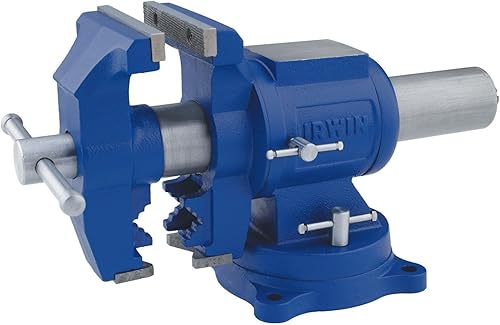
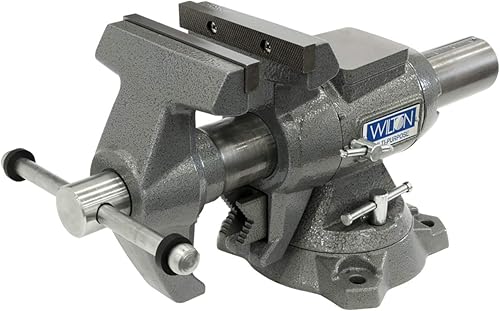
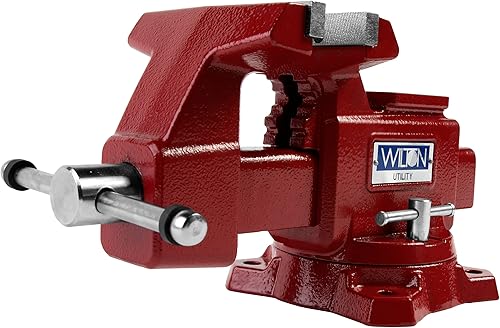
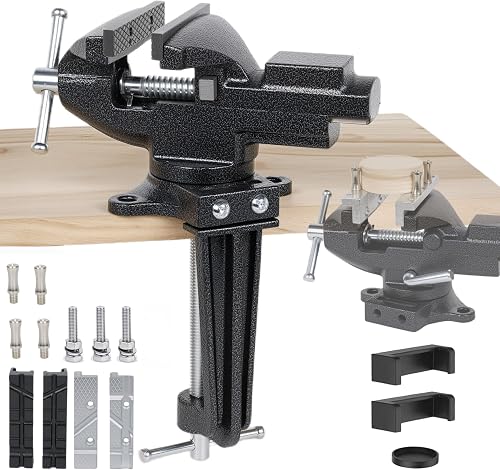
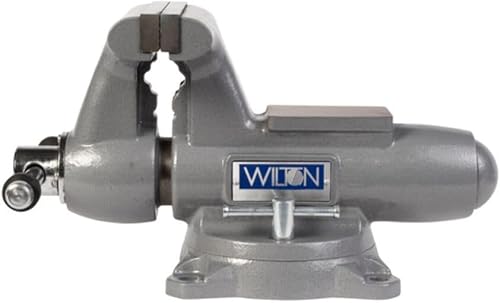
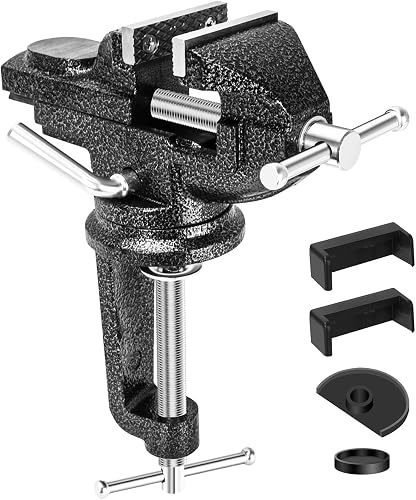
A bench vise is the tool that turns a bare workbench into a functional workshop station. By holding stock firmly while both hands operate a saw, chisel, file or drill, a good vise eliminates the shifting and rocking that causes rework and safety hazards. The 46 bench vises on this page span a wide range in size and price, from the 9-pound Yost LV-4 at $28.99 to the 80-pound Yost 480 at $224.99, giving hobbyists, woodworkers, metalworkers, and tradespeople real choices across every workload level. The weight range is the most reliable indicator of performance class. Lighter units under 12 pounds are appropriate for occasional hobbyist tasks and benches that are not permanently bolted in place. Mid-class options at 25 pounds, such as the VEVOR 6 Bench Vise ($57.55), bring enough inertia for regular woodworking and light metal tasks without flex. Heavy shop vises in the 33 to 40-pound range, including the IRWIN IW4935505 ($132.73) and the VEVOR 9467 ($109.90), target tradespeople who need all-day clamping stability. Above 40 pounds, units like the Wilton 550P (40 lbs, $202.28) and the Yost 480 (80 lbs, $224.99) are purpose-built for permanent bench installations in metalworking and fabrication environments. Narrowing the choice comes down to three questions: How much mass can your bench support and require? What jaw capacity does your largest stock need? And do you need a swivel base for multi-angle work? Published weight and dimension specs vary across this lineup, so where jaw dimensions are not stated in the listing, verify the jaw opening on the product page before ordering. The curated picks below prioritize verified owner demand and ratings over marketing claims.

How we curated this list

Every product on this page meets a 3.8-star minimum rating and is supported by at least 23 verified owner reviews. Rankings weight bought-last-month purchase frequency first, followed by review volume, then rating, then spec-to-price value. We assess published specs and owner feedback rather than conducting physical tests, and we report all numbers as listed without adjustment. Questions? Reach us at [email protected].